
Exploring the Pi Network: How Did the "Braindead" Electronic Religion Attract 60 Million Users?


Original Author: Crypto Wanderer, Crypto KOL
Editor's Note: Today, Pi Network's official announcement stated that its mainnet Open Network will officially launch on February 20 at 16:00. Furthermore, mainstream exchanges such as OKX, Bitget, have also announced that they will list PI spot trading at that time. What is Pi Network? Why is it jokingly referred to as the most powerful Earth Push project? This article was first published on December 27, 2022, providing a comprehensive introduction to Pi Network. Due to the time gap, some data may vary. The following is the full text reprinted by BlockBeats:
In the morning, I saw news that @PiCoreTeam was being followed by Huobi and might be listed. I plan to elaborate on this project that has undergone over a year of in-depth analysis within our AC internal team. This article will introduce what Pi is and why Pi is the subject of this philosophical question from multiple perspectives.
Bandwidth Savings: This is the most underrated 2C application project in Crypto, deserving careful study by all teams.
1. What is Pi?
Pi Network was born on 2019.3.14. In essence, it is an APP that claims to be based on Stellar and allows "mobile mining." The aim of Pi is to establish a highly accessible, low-cost decentralized digital currency network (can be seen as a light node concept similar to MINA).
The mining process is very simple: users click a button once every 24 hours, with each 24-hour period constituting a mining cycle that requires re-clicking upon expiry. The entire process is completely free.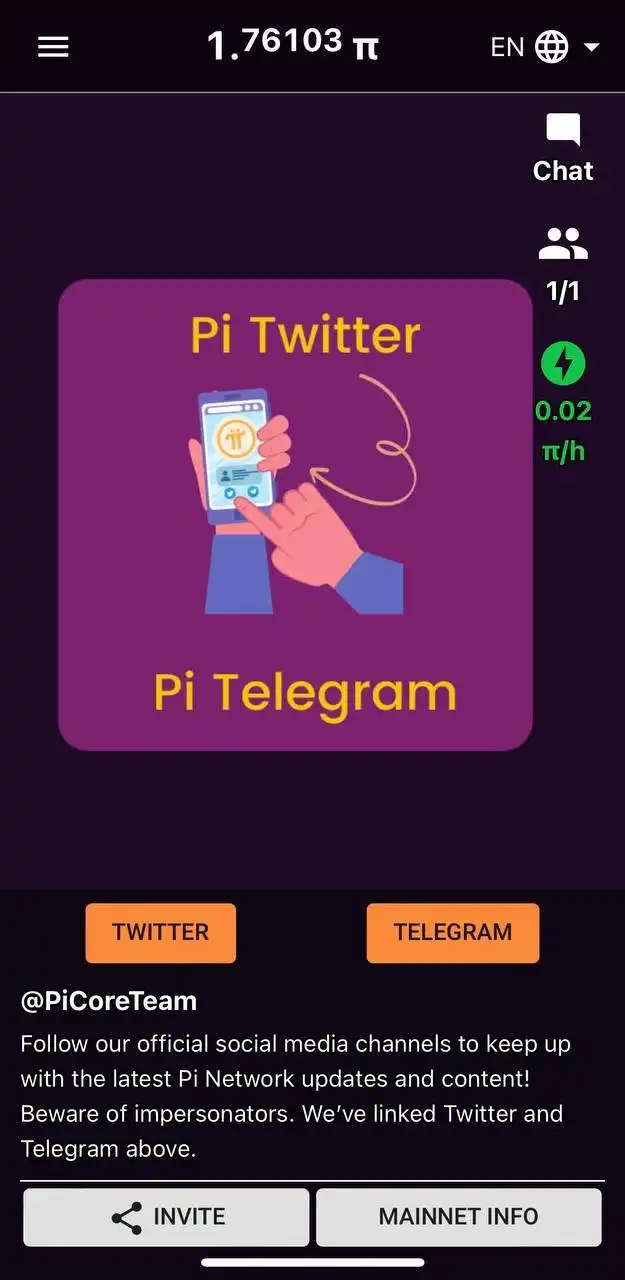
2. Pi's Dissemination Mechanism
Pi has 3 roles related to dissemination:
- Pioneers are the default identity.
- Contributors need to unlock by mining for 3 days and establish a "security circle" by adding existing Pi users or phone contacts. After establishment, they can receive additional mining power, with each person adding 0.02, for a maximum reward of 0.1 (5 people).
- Ambassadors: After successfully inviting phone contacts or new users with an invitation code, they can become ambassadors.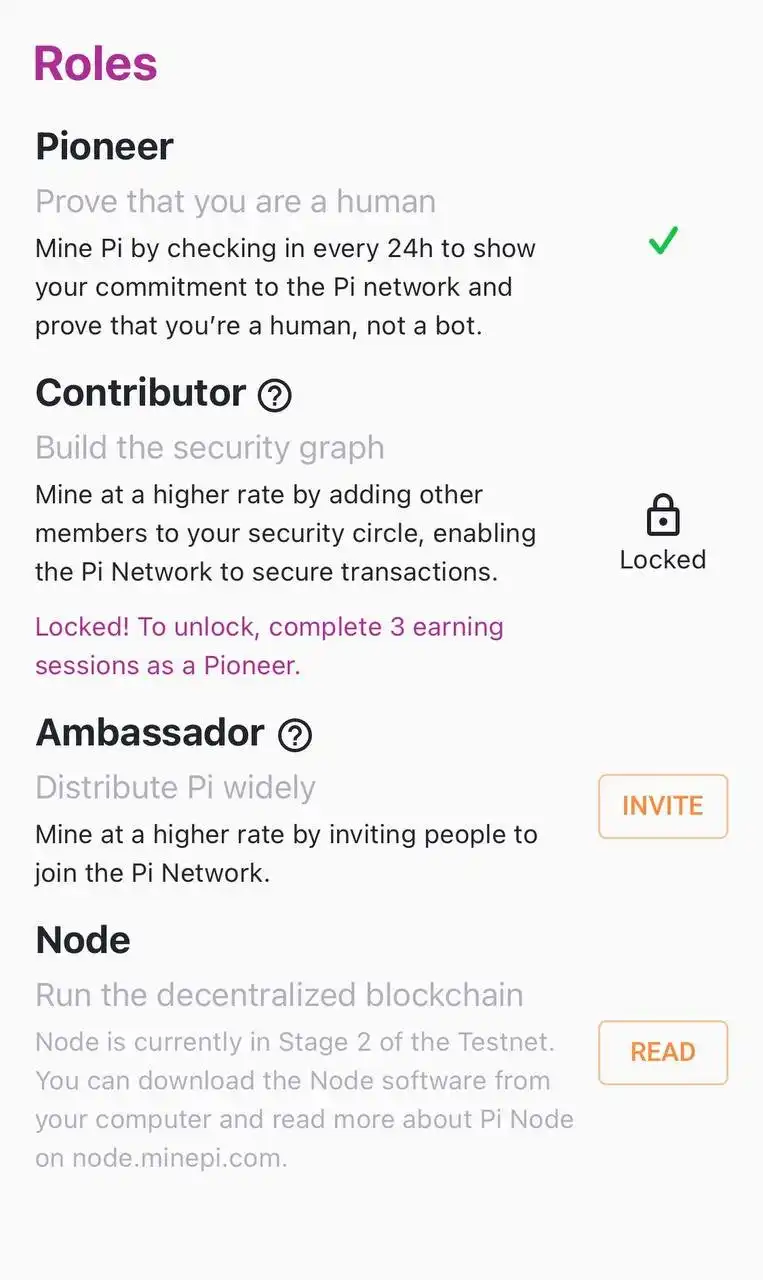
3. Pi Coin
The concept behind Pi Coin is to provide everyone with an equal and low-threshold opportunity to obtain cryptocurrency (Cowards die many times before their deaths), so Pi is mined for free and has no price anchor. Currently in its testnet phase, Pi will eventually move to the "mainnet," i.e., a self-built public chain. Therefore, the current Pi is actually a form of centralized points. Last year, Pi began to require users worldwide to undergo KYC and open testnet wallets, enabling transfers once opened.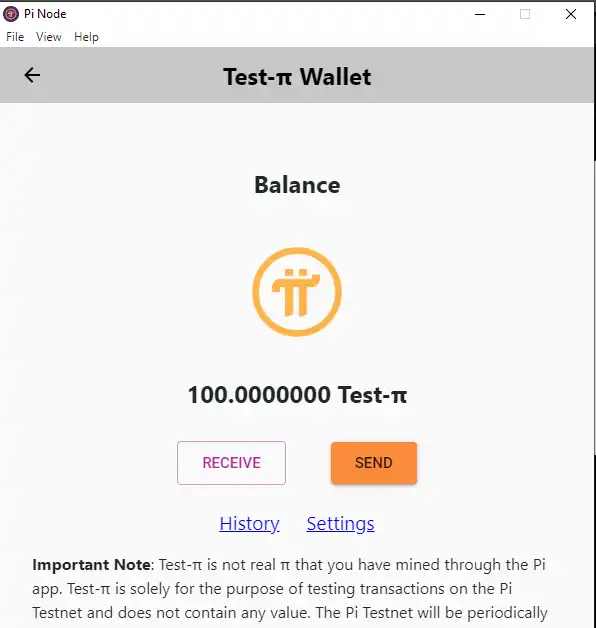
4. Pi is Not Just a Ponzi Scheme:
Pi is not positioned as a Ponzi scheme based on deposits but rather follows a traffic-based, earn-for-free model. However, unlike the "QuToutiao" where users earn from traffic differentials, Pi allows users to earn undefined Pi (without deposits, there is no valuation, and without tradability, there is no liquidity). After the later introduction of an advertising mechanism, all advertising revenue actually goes back to the users themselves. As long as Pi remains non-circulating, the project itself is profitable.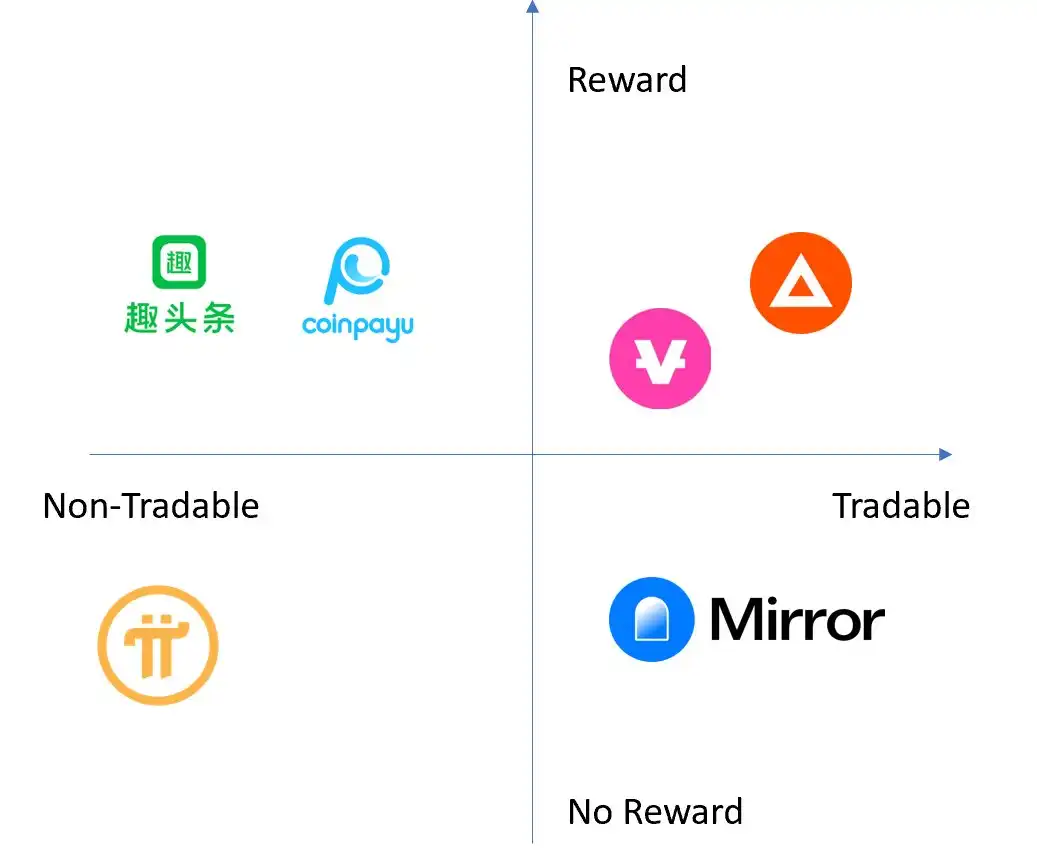
5. My Layman's Estimation
Pi claims to have 35 million users, but if we realistically take a 50% discount to 17 million active users, mostly concentrated in Asia, Africa regions, assuming a CPM of $0.3 for two ads a day (based on the perception of not many ads), then the daily revenue should be around $10,200. For a Pi team of only 2-10 people, this is already sufficient. Not incurring costs while having a large number of users view ads every day truly tests the project's CPU capacity. How did Pi achieve this?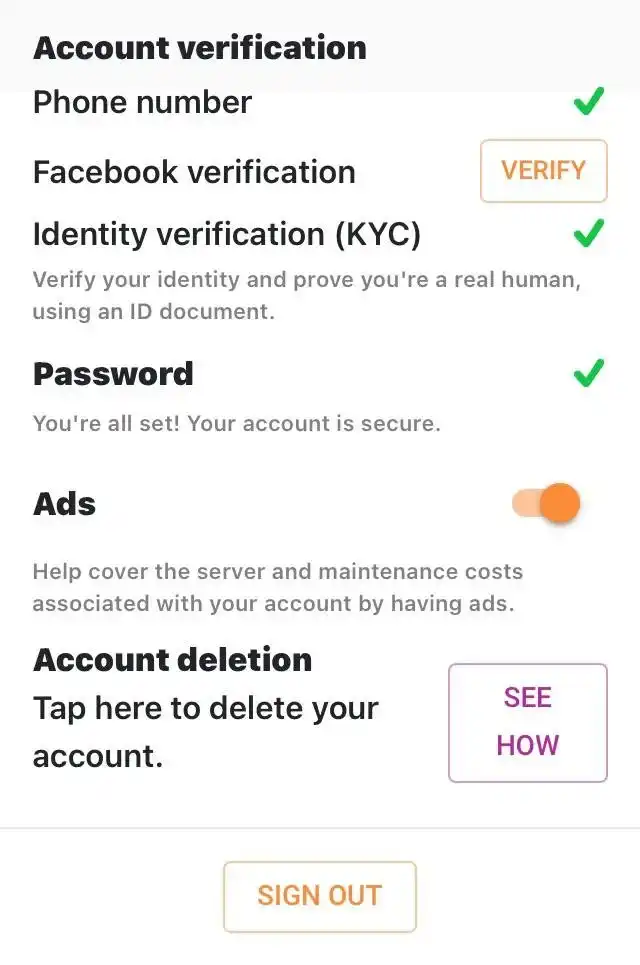
6. Pi and Electronic Religion
Instead of calling Pi a Ponzi or a mobile app, it is more apt to say that Pi is closer to an electronic religion. You cannot explain such a widely participated, spontaneously spread, and disproportionate project with conventional product logic.
According to sociologist Lorne Dawson's definition, a religion consists of four aspects: Belief, Ritual, Experience, and Community.
Pi's Belief: Crypto, where everyone can participate and own. It may not be Crypto, but in its audience context, it is very reasonable. Pi's largest audience comes from Southeast Asia, South Asia, Nigeria, and the peripheral population of Europe and America. This audience is essentially within the radiance of non-theistic or animistic religions, where the essence of this religious practice is methodological rather than emphasizing "God as the beginning of all things." As long as you achieve enlightenment, you can become immortal; as long as you mine, you can become wealthy.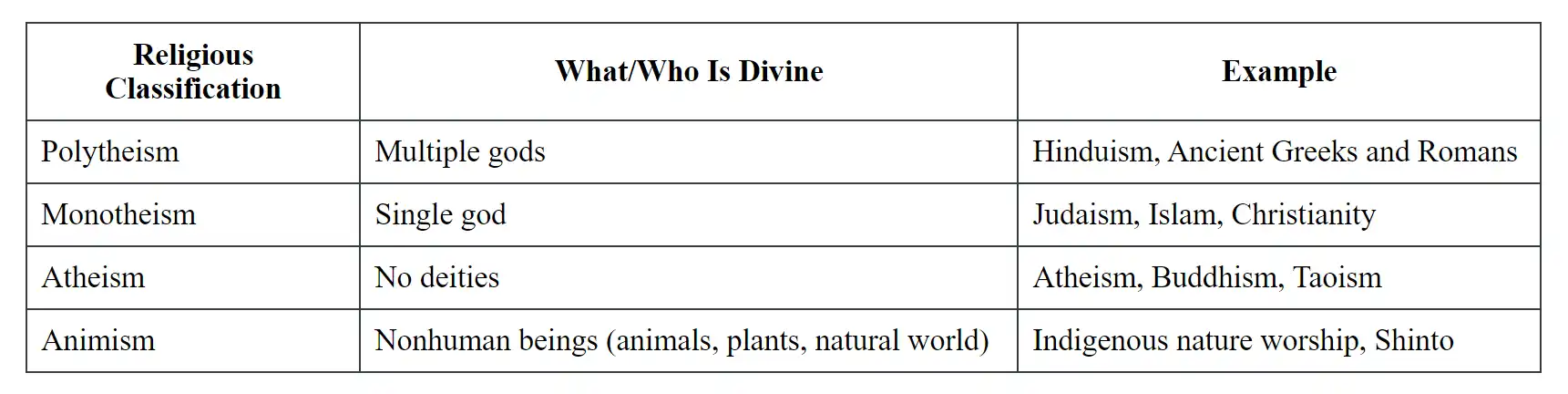
For low-income groups (in material or spiritual terms), a methodological religion ideal like communism's vision of equitable wealth distribution plus the methodological path of achieving enlightenment through personal efforts has always been effective.
Prior to 2019, these regions had already experienced the enlightenment of "BTC" through schemes like 3M and the crypto speculative bull market, making discussions about a new coin that will "create the future" and be obtained for free no longer a metaphysical fantasy but closer to the alchemical ascension method of old immortals.
The Pi Ritual: A ritual is a repeated ceremony to strengthen faith, such as daily prayer and meditation, or a symbolic baptism marking a transition to a new stage in life. For Pi, activating mining power diligently every 24 hours is like a daily prayer. Due to the mining countdown and detailed output dashboard, many people set alarms to remind themselves to activate daily to avoid wasting output. The continuous mental reinforcement day after day strengthens faith.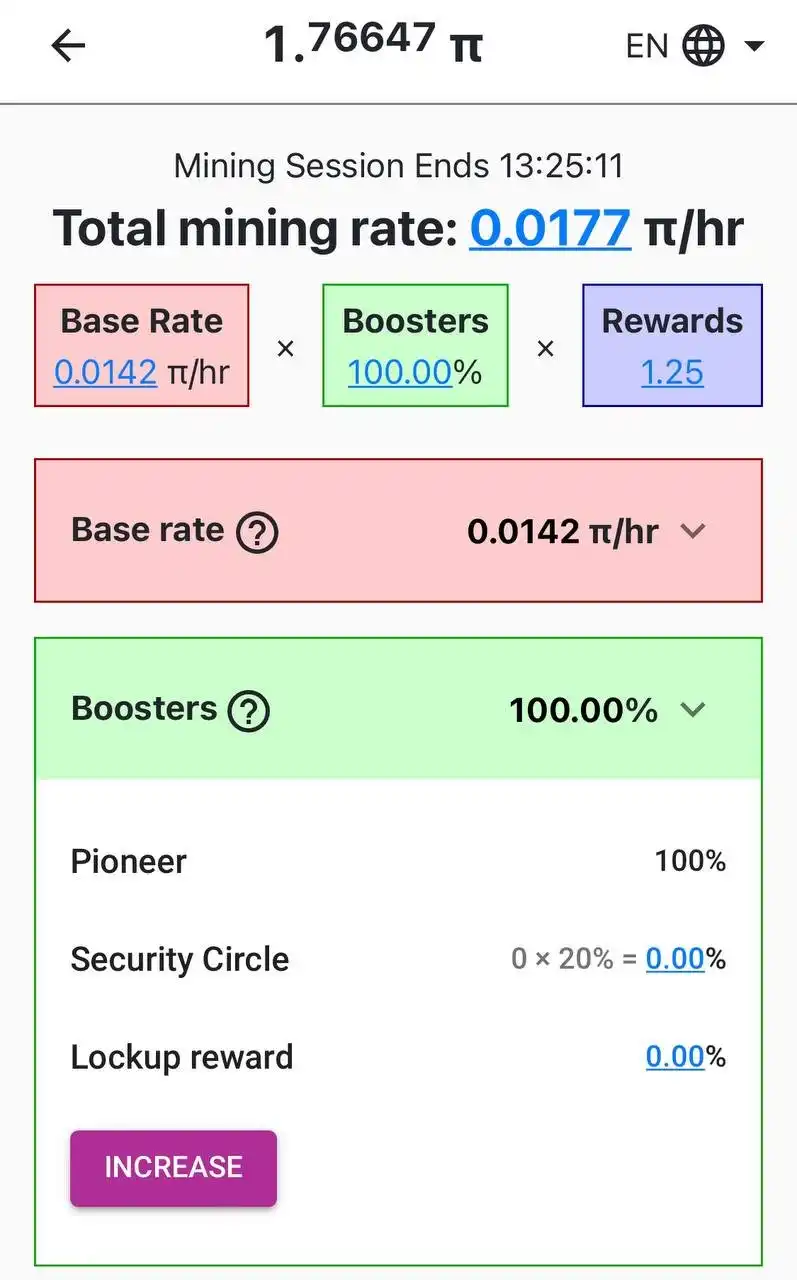
Meanwhile, "Identity" is akin to a label. When a person activates as a contributor and completes their security circle, it's like transforming from a newbie to a veteran in the Pi community. In Pi Chat, there is always someone answering newbies' questions every minute and inviting them to join their security circle, akin to a priest performing a baptism. The ritual brings more of a "sense of mission" and leads many to lose themselves in a chorus of "thx bro," forming an objectively positive psychological feedback loop.
The Pi Religious Experience: We generally refer to a religious experience as mysticism, those unverifiable subjective experiences that make your faith unquestionable, such as retrograde motion of planets or accurate fortune-telling. I personally think what Pi has done here is very clever. In the 2019 crypto winter, almost all projects were trying to prove their ability to achieve "real-world use cases," anchoring the growth value of XX real-world assets. Pi's story revolves around the attention economy, similar to BAT. But Pi is much smarter than BAT.
BAT designed a complete set of semi-decentralized CAC arbitrage products: browser, token, ad blocker. They maxed out on technical orthodoxy and indeed built a successful team. However, Pi used a development cost with only one significant figure (estimated to be single-digit Devs) to gain a user base that rivals BAT's. Because they understood clearly that the target users wanted to witness a "miracle," the key was not in the product but in whether they could see more applications of Pi coin and observe that "the whole world is playing."

Pi's product is almost brainless, with basic utility. The team unabashedly tells the community: Pi has no monetary value, it doesn't gain value just by being called a "coin," and it will only gain value when the community grows substantially with more users. Ironically, what they say is correct. Through the Brainstorm section, Pi is collecting ideas from users who have mined a considerable amount of Pi on how to use Pi in various electronic and product scenarios, even organizing DAOs and hackathons, all in 2020.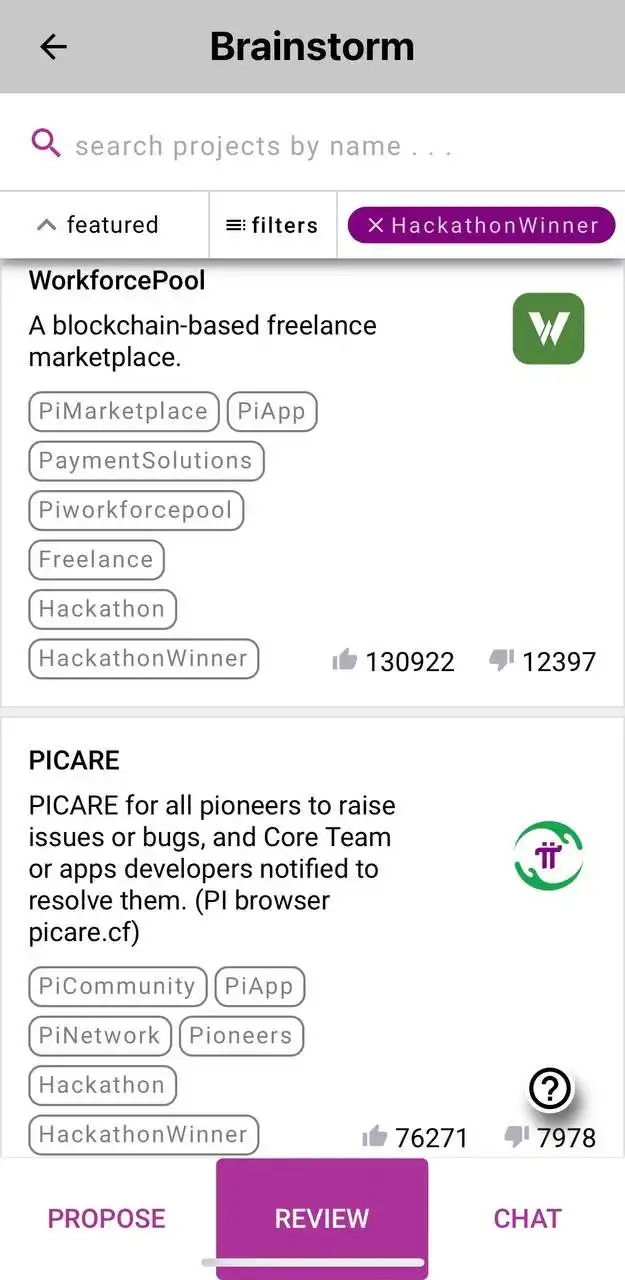
This has led to proposals for Pi-based games, e-commerce platforms, and betting platforms. These proposals have inspired many local business owners holding a significant amount of Pi that they cannot cash out, starting to engage in bartering within the Pi community. I've seen exchanges for cars with Pi, and in Indonesia, I have truly witnessed exchanges for motorcycles. By mobilizing the community, Pi has inadvertently created a self-fulfilling prophecy, solidifying many people's faith in "Pi has already been adopted by many and is on the right path to making history."
In addition, with the team's backgrounds as Stanford postdocs, the whole narrative becomes very "logical." Last week, I conducted surveys across various Pi FB, Telegram, and Reddit communities, with over 70 respondents. When asked to "name three reasons why you believe in Pi's value and continue to use it," over 75% of respondents mentioned "global widespread adoption," with many citing examples from BTC's development history to describe Pi's current progress.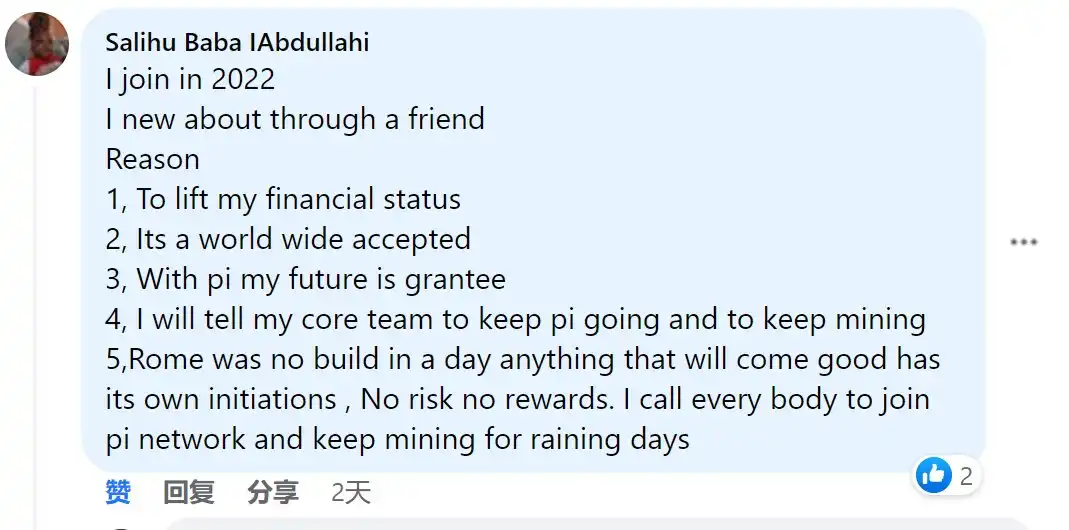
Pi Community: The Pi community has a strong belief system and has maintained high engagement levels over the long term without any immediate economic benefits. How did they achieve this?
First, let's look at Pi's product design. Pi's product has an extremely limited budget and is currently still based on H5 packaging. Its budget is focused on two main aspects: the dashboard and referrals. Pi has a very clear mining output dashboard that provides specific data to give users real-time feedback. It is easy to see how much you mine based on how much you promote.
Secondly, its referral system is carefully designed, distinguishing between a familiar social circle and a stranger-based social media referral system (trusted circle and ambassadors). Adding members directly reads from the address book, with the word "trusted" psychologically implying strong links and trust, rather than just relying on a classic pyramid scheme. This makes it easy for Pi to create small community groups similar to church congregations in the early stages, reinforcing the need for doctrine and making oversight of ritual practices easier. Over 60% of surveyed users come from friend referrals.

Furthermore, the birth of a new religion cannot be without charismatic leaders and missionaries. Compared to figures like @Junstinsuntron or @RichardHeartWin, the two Pi founders are obviously not as successful, but they appear frequently, and their sincerity combined with academic backgrounds still count for a lot. You can actually see from Angelist and Linkedin that Pi is hiring, specifically looking for Community Managers and Ambassadors. Pi Network Jobs
This indicates that Pi may have always had a direct recruitment strategy for "missionaries." Through consistent content output, Community Managers/Ambassadors drive the atmosphere and localization, catalyzing spontaneous communities in each region based on local conditions. It can even be boldly speculated that Pi uses Community Managers to pump the Pi price outside the market, steer KYC public opinion, and more. In my survey, some users mentioned hearing about Pi through local broadcasts in Nigeria, so such highly localized approaches are not surprising.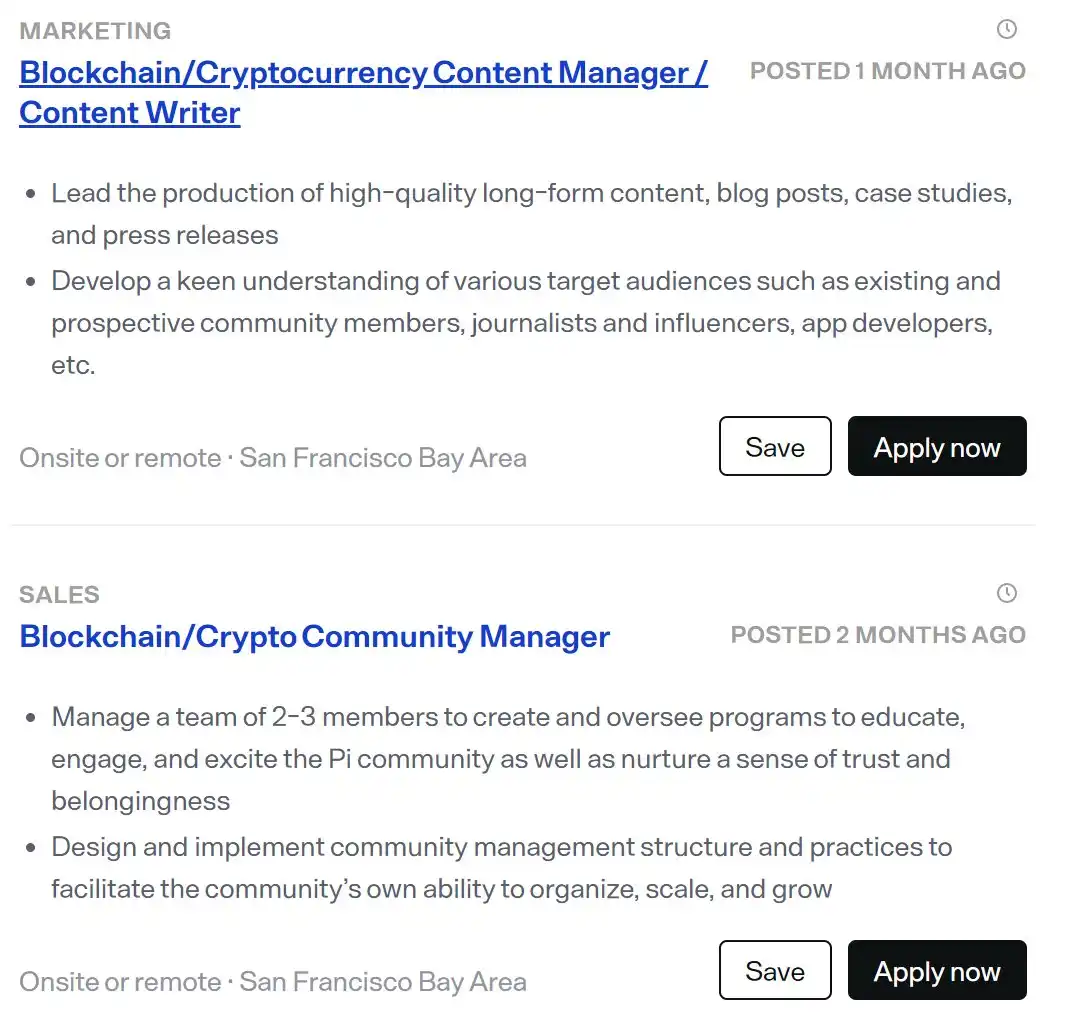
What's next for Pi?
Essentially, Pi's platform is still its app, and like any app, it has its own lifecycle, with most respondents joining at 19-20 years old. During this time, there have been competitors like @Beenetworkintl launching similar projects, and the mainnet launch has been delayed. Most crucially, after experiencing a bull market cycle, Pi's "doctrine" may find it hard to sustain interest in the next cycle. The rapid decline in keyword popularity is evidence of this.

If I were @PiCoreTeam, the best choice would be to ensure Pi successfully launches its mainnet and gets listed. If ad revenue will significantly decrease as user engagement drops, the best way to maximize benefits before that happens is to get listed, boost community morale, and exit. Solely in terms of community strength, #shib may not even be a competitor, and for exchanges, Pi has a lot of attention-grabbing potential. Therefore, a listing on Huobi is entirely possible.
Pi may already be working on this, as there is evidence like the Lockup Reward, requiring users to commit to locking their holdings after the mainnet launch; the launch of the testnet wallet allowing transfers; and the unusual repeated coverage of Pi by media outlets like @BSCNews. If there is no listing plan, these efforts would be in vain. To maintain stability, there are many other better methods, such as directly promoting "ecosystem projects for consumption." The whales in front of the screen surely have more experience than me.
However, one thing is clear: the current controllers of Pi (note I say controllers, not core team) have not yet decided whether to move towards a fully public chain or follow the BAT route. So, both a browser and a testnet have been released, but more likely, this is due to a lack of technical capabilities. Since Pi is closed source, we have no way of knowing how much of the Pi IOU has already been mined. If we consider 29 million users, the daily output should be 284 million Pi.
So how does Pi control the market? The answer lies in KYC.
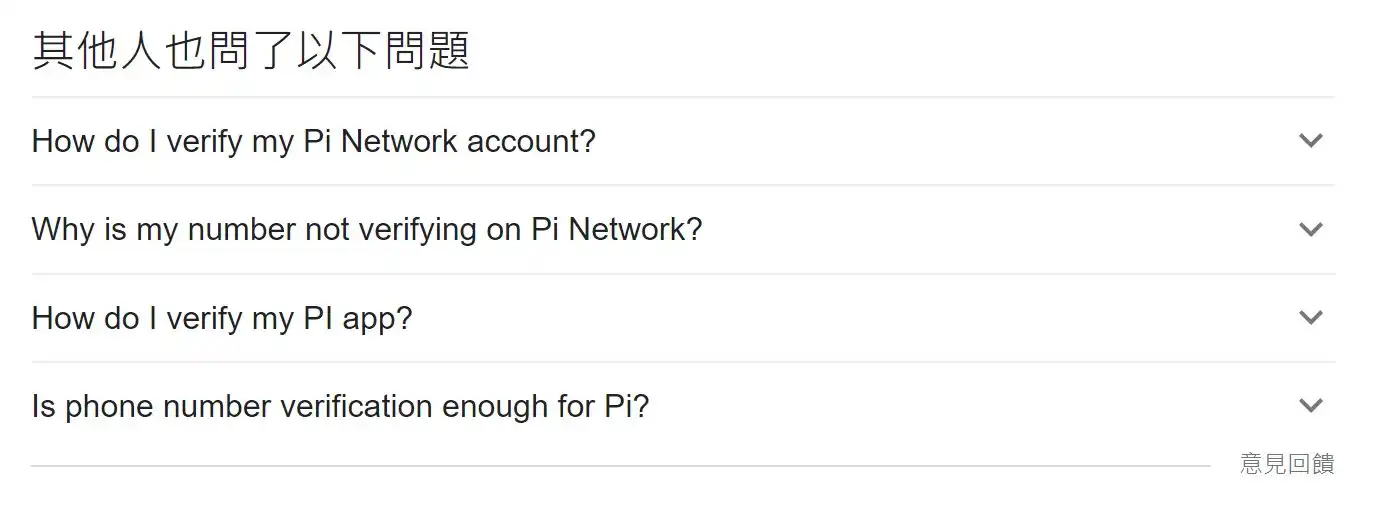
The KYC process for Pi is similar to an invitation system, so Pi has a lot of discretion to decide how many people to invite and through whom. Pi users are mostly from third-world countries, where KYC is already difficult. Secondly, it is done through the aforementioned lock-in. Finally, Pi may not conduct an IEO (compliance for US users) but may first list on a DEX before a CEX. A large number of users may be blocked by the entry barrier. All of these measures can effectively control circulation.
Lastly, is Pi a product without "value"?
It depends on how you define value. In terms of its public chain narrative, no, because it is unlikely to create a public chain that can compete with the mainstream. However, 35 million people experience crypto without risk, even establishing faith. How many people have already begun their Web3 journey, Pi's contribution is much greater than many so-called OGs. In this sense, @LeePima is truly a pioneer of the times.
Insights for Web3 project teams:
Pi's success illustrates three things:
1. Keep your feet on the ground and truly understand your users. Customer experience (CX) is a lifelong learning journey for product managers.
2. Don't be proud of the "Crypto Native" features you have created; users may not understand or be able to use them.
3. Web3 is more about human nature than Web2. Take advantage of human nature, understand how to create a religion.
In fact, I missed one point yesterday: Technology and consensus, which one is the greater moat. Apart from industry pioneers such as ZK and other deeptech, other products, including public chains, can fork out with money in place without considering innovation. However, without consensus, there is no success; religious belief is unquestionable. You can haggle with technology outsourcing, but medieval peasants would haggle with the church for a discount on indulgences. Will you give me a discount on sin redemption?
You may also like

Why Is BlackRock Investing $5 Billion in the SpaceX IPO?

Cryptocurrency market makers collectively seek change as it becomes increasingly difficult to make money

a16z Crypto Partner: Cash flow is the moat

Citibank releases "2030 Asset Tokenization Market Outlook": 6 major trends may create a $8.2 trillion market

The trillion-dollar valuation test: Are the three major super IPOs a celebration for tech stocks or a nightmare for the crypto market?

Morning Report | Digital Asset completes $355 million financing led by a16z Crypto; Meta completes operational separation from Manus
Morning News | CME Group launches Nasdaq Cryptocurrency Index futures; Asset management giant Janus Henderson strategically invests in Ethena

Bitcoin Layer 2 Network Botanix: Why Did We Choose to Dissolve?

Why did Oracle deliver the strongest financial report in history, yet its stock price fell?
When the P2P illicit funds from ten years ago turned into 60,000 bitcoins

Dialogue with OmenX Founder: Why does the prediction market need an evolution from "spot" to "derivatives"?
Galaxy in-depth report: Is Solana still worth paying attention to?

Young people in South Korea make a "final effort" in the epic bull market
The pricing controversy of Trade.xyz exposes the fatal weakness of Pre-IPO perpetual contracts
How much longer can Ethereum's last big buyer hold on?

World Cup 2026 Coming – WEEX Celebrates with $1M Prize Pool & Michael Owen Live

Morning Report | OpenAI has submitted an S-1 registration statement draft to the U.S. SEC; Morpho completes $175 million financing

Galaxy Deep Research Report: How Hyperliquid's HIP-4 Upgrade Changes the Landscape of Prediction Markets?
Why Is BlackRock Investing $5 Billion in the SpaceX IPO?
Cryptocurrency market makers collectively seek change as it becomes increasingly difficult to make money
a16z Crypto Partner: Cash flow is the moat
Citibank releases "2030 Asset Tokenization Market Outlook": 6 major trends may create a $8.2 trillion market
The trillion-dollar valuation test: Are the three major super IPOs a celebration for tech stocks or a nightmare for the crypto market?
Morning Report | Digital Asset completes $355 million financing led by a16z Crypto; Meta completes operational separation from Manus


