
Columbia Professor Questions NYSE Tokenization Plan: More Like "Vaporware," Severe Lack of Details


BlockBeats News, January 22nd - Columbia Business School professor Omid Malekan publicly questioned the New York Stock Exchange's (NYSE) latest proposed blockchain tokenization scheme, stating that the plan reads more like "vaporware," with crucial implementation details almost blank.
Malekan pointed out that NYSE did not specify which blockchain the platform would be based on, whether it would adopt a permissioned or permissionless chain architecture, whether it would support a hybrid model, and how the tokenomics and fee mechanism would be designed. He believes that in the absence of this core information, the related vision tends to lean more towards conceptual propaganda.
The NYSE and its parent company Intercontinental Exchange (ICE) previously stated that the blockchain platform aims to achieve 24/7 trading of stocks and ETFs, instant settlement, and provide multi-chain support and custody functions. However, Malekan emphasized that the NYSE's business model is fundamentally a highly centralized, oligopolistic market structure, and it will be difficult to change this reality solely relying on cryptographic technology unless it actively abandons its existing partnership system.
Despite skepticism in academia, some participants in the crypto industry believe that the plan is significant. Securitize CEO Carlos Domingo stated that "on-chain trading of native tokenized stocks is a major positive development," and Alexander Spiegelman, research lead at Aptos Labs, also stated that the introduction of blockchain technology to traditional markets is "timely."
You may also like

Champion's Final Bow: FC Barcelona vs Real Betis – Celebrate the Title with a Home Finale

Best Oil Trading Platform for Crypto Users in 2026
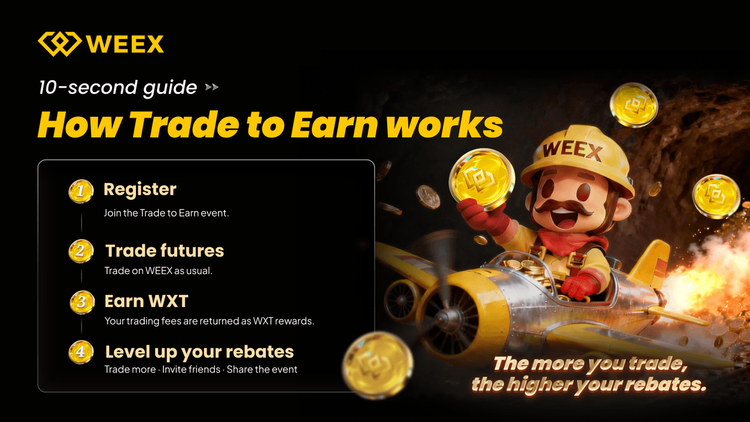
5 Futures Trading Strategies Smart Traders Use to Cut Crypto Fees and Boost Futures Returns
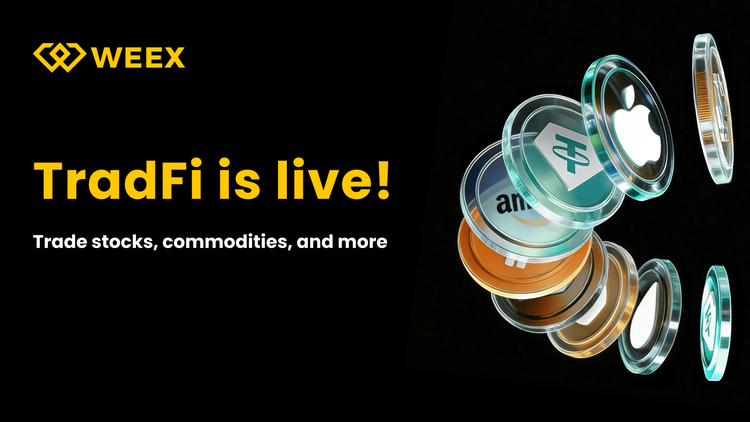
What Is TradFi? How Crypto Traders Can Now Access Crude Oil, Gold, and Global Markets

How WEEX Bridges Crypto and Football: A Deep Look at the LALIGA Partnership Inside the WEEX App
WEEX is not just a LALIGA sponsor. It’s a true partner. From iPhone Dynamic Island to LALIGA-themed app icons and smart posters, see how WEEX brings football passion into every trade — and builds a real bridge between crypto and sports.

FC Barcelona vs Real Madrid Preview: El Clásico – Can Barça Clinch the Title at Spotify Camp Nou?
FC Barcelona vs Real Madrid El Clásico match preview for May 11, 2026. Barça need just 1 point to win LALIGA. Can Madrid delay the trophy? Full preview inside.

At the Stripe conference, I saw the future of the AI economy

Miners welcome a new life

Seven Important Judgments by Claude Code's Founder at the Sequoia Conference

The payment moment of AI agents: Who will become the Stripe of the machine economy?

Morning Report | MoonPay acquires Solana's execution layer DFlow; Strategy releases Q1 financial report; Manta Network announces the termination of Manta staking program

Rented Tracks: What is this wave of stablecoin FX hot money really paying for?

Dialogue Velocity Eric: What is the stablecoin track that the CFO really wants?

Strategy should have said that selling coins is not ruled out

How MegaETH Achieved a TVL of 700m Within a Week of TGE? Analyzing the Packaging Strategy

Futures Trading Hours: Trade Cryptocurrency 24/7 and Earn Back Up to 45% in Trading Fees
Learn futures trading hours and the best time to trade crypto futures. Discover 24/7 market insights, peak trading sessions, and how to earn back up to 45% in fees.
Why is a16z Crypto raising another $2.2 billion to heavily invest in Web3?
Polymarket Underlying Algorithm Explained
Champion's Final Bow: FC Barcelona vs Real Betis – Celebrate the Title with a Home Finale
Best Oil Trading Platform for Crypto Users in 2026
5 Futures Trading Strategies Smart Traders Use to Cut Crypto Fees and Boost Futures Returns
What Is TradFi? How Crypto Traders Can Now Access Crude Oil, Gold, and Global Markets
How WEEX Bridges Crypto and Football: A Deep Look at the LALIGA Partnership Inside the WEEX App
WEEX is not just a LALIGA sponsor. It’s a true partner. From iPhone Dynamic Island to LALIGA-themed app icons and smart posters, see how WEEX brings football passion into every trade — and builds a real bridge between crypto and sports.
FC Barcelona vs Real Madrid Preview: El Clásico – Can Barça Clinch the Title at Spotify Camp Nou?
FC Barcelona vs Real Madrid El Clásico match preview for May 11, 2026. Barça need just 1 point to win LALIGA. Can Madrid delay the trophy? Full preview inside.


