
- Buy Crypto
- Markets
- Futures
- Spot
- Copy Trade
 Earn
Earn- More
Fitch Ratings Warns of Crypto Exposure Risks for US Banks

Key Takeaways:
- Fitch Ratings highlights the potential risks for U.S. banks heavily engaged in cryptocurrency activities, emphasizing reassessment needs.
- Despite cryptocurrency’s potential for increased revenue through enhanced efficiency and yield, the risk factors such as reputation and compliance are significant concerns.
- The rapid growth of stablecoins presents additional systemic risks, potentially impacting broader financial systems and currency legitimacy.
- Regulatory developments continue to shape the landscape, requiring banks to navigate complex risk management and compliance strategies.
WEEX Crypto News, 2025-12-09 09:15:05
Understanding Fitch Ratings’ Crypto Concerns for US Banks
In the rapidly evolving world of finance, cryptocurrencies have emerged as both a promising opportunity and a formidable challenge for the banking sector. Fitch Ratings, a prominent international credit rating agency, has recently issued a cautionary report highlighting the substantial risks that U.S. banks face due to their increasing exposure to cryptocurrencies. This guidance comes at a crucial time as the financial landscape is becoming increasingly intertwined with digital currencies and blockchain technologies.
The Double-Edged Sword of Cryptocurrency Integration
Fitch Ratings underscores that while crypto initiatives offer banks innovative avenues to boost fees, yields, and overall operational efficiency, they are not without substantial risks. These risks encompass reputational damage, liquidity constraints, operational inefficiencies, and significant compliance challenges. The agency warns that U.S. banks with heavy reliance on crypto assets may face negative reassessments of their business models or risk profiles. This cautionary stance reflects the dual nature of cryptocurrency as both a catalyst for growth and a source of uncertainty within traditional finance.
The integration of blockchain technologies such as stablecoin issuance, deposit tokenization, and the use of digital ledgers can significantly improve customer service and efficiency. For banks, the adoption of such technologies translates into faster payment processing, more secure smart contracts, and enhanced transactional transparency. However, Fitch Ratings points out that the very benefits these technologies bring simultaneously increase exposure to digital asset volatility and the associated risks of potential theft or loss of digital assets.
Navigating the Regulatory Landscape
Amidst the burgeoning integration of cryptocurrencies within the banking sector, regulatory advancements are shaping the path forward, promoting a more secure crypto environment. Nevertheless, banks are compelled to rigorously address the volatility inherent in cryptocurrency values and the obscured identities of digital asset holders. Effective protection measures against digital asset theft and loss are critical for banks aiming to harness the full potential of digital currencies while safeguarding their operations.
Fitch plays a critical role as one of the “Big Three” credit rating agencies alongside Moody’s and S&P Global Ratings. These agencies exert substantial influence over the financial domain, determining how businesses are perceived and valued. A downgrade by Fitch, especially for banks with significant crypto involvement, could have sweeping implications—dampening investor confidence, increasing borrowing costs, and stymieing growth prospects. Such potential outcomes must be carefully considered by banks eager to expand their foray into digital realms.
Spotlight on Major Banks’ Crypto Ventures
Fitch’s report underlines the deep involvement of key financial institutions such as JPMorgan Chase, Bank of America, Citigroup, and Wells Fargo in the crypto sector. This involvement is indicative of a larger trend wherein established banks are acknowledging the inevitability of digital currencies in the modern financial ecosystem. As these banks engage with crypto, they contribute to the sector’s maturation while concurrently navigating the complexities of risk management and regulatory compliance.
Unpacking the Systemic Risks from Stablecoins
Adding another layer of complexity, Fitch Ratings highlights the explosive growth of the stablecoin market as an area of potential systemic risk. Should stablecoin adoption proliferate to the point of significantly influencing other financial segments or institutions, the repercussions could be profound. The agency warns that widespread adoption might reach critical mass, potentially affecting crucial markets like the U.S. Treasury.
In a related development, Moody’s has also voiced concerns regarding the systemic risks posed by stablecoins, cautioning against the erosion of the U.S. dollar’s legitimacy amid a surge in USD-linked stablecoin circulation. Such a shift mirrors unofficial dollarization processes but with greater opacity and reduced regulatory oversight, further underscoring the critical need for robust regulatory frameworks to manage these emerging financial instruments effectively.
The Role of Regulation in Shaping the Future
Within this context, a deliberative approach to regulation becomes indispensable. Regulatory bodies are challenged to craft policies that foster innovation while safeguarding the integrity and stability of financial systems. As the crypto landscape evolves, banks must equip themselves to adeptly navigate the regulatory challenges associated with cryptocurrency integration. This includes comprehensive risk management strategies, stringent compliance protocols, and robust security measures.
Engaging with the Community and Markets
As public and market sentiment around cryptocurrencies continue to fluctuate, financial entities must remain perceptive to emerging trends and community dialogues. The evolving nature of cryptocurrency demands increased engagement with both the developer community and potential consumers, fostering symbiotic relationships that drive innovation while maintaining vigilant oversight to manage risks.
The Road Ahead for US Banking and Cryptocurrency
Looking ahead, U.S. banks find themselves at a crossroads where the potential for digital currency integration juxtaposes the risks inherent in these novel financial territories. Embracing the promise of blockchain technologies while judiciously managing systematic risks calls for informed strategies and dynamic adaptation. Fitch Ratings’ observations emphasize the importance of prudence, adaptability, and rigorous scrutiny from financial institutions aspiring to navigate this intricate intersection of traditional banking and digital finance.
In conclusion, cryptocurrencies offer unprecedented opportunities, yet they necessitate heightened vigilance and strategic foresight. Banks must strike a delicate balance, leveraging the advantages of digital currencies while safeguarding against the multifaceted risks they entail. Fitch Ratings’ cautionary insights serve as a guiding beacon, urging banks to approach their digital futures with informed caution and proactive preparedness.
FAQ
What are the primary risks Fitch Ratings associates with cryptocurrencies for banks?
Fitch Ratings identifies several major risks including reputational damage, liquidity issues, operational challenges, and significant compliance hurdles. These arise from the integration of cryptocurrencies which, while beneficial, can expose banks to digital asset volatility and market instability.
How could the growth of stablecoins affect the financial system?
The growth of stablecoins could introduce systemic risks, particularly if their adoption scales sufficiently to impact significant financial sectors such as the U.S. Treasury market. Such shifts may challenge the traditional roles of national currencies and complicate monetary policy execution.
Which major U.S. banks are significantly involved in the crypto space according to Fitch?
Major banks such as JPMorgan Chase, Bank of America, Citigroup, and Wells Fargo are notably active in exploring cryptocurrency opportunities, reflecting the financial sector’s broader move toward embracing digital asset integrations.
How do regulations impact cryptocurrency adoption by banks?
Regulatory frameworks are crucial in shaping how banks adopt and manage cryptocurrencies. They help mitigate associated risks by setting compliance standards, fostering transparency, and ensuring robust security measures, thus safeguarding the broader financial ecosystem.
What measures should banks take to manage cryptocurrency-related risks?
Banks should develop comprehensive risk management frameworks, implement stringent compliance protocols, ensure robust cyber-security defenses, and foster ongoing engagement with regulatory developments to effectively navigate the challenges posed by cryptocurrency integration.
You may also like

First Zero, First Revival: A Real Story from the WEEX Global AI Trading Hackathon Preliminary Round
WEEX Labs, the innovation arm of the global crypto exchange WEEX, launched the preliminary round of its flagship AI trading hackathon, AI Wars: WEEX Alpha Awakens, on January 12, 2026. Backed by world-class sponsors including AWS, the prize pool has reached $1.88 million, with a Bentley Bentayga S awaiting the champion in Dubai. Already, 788 elite teams worldwide are battling for a spot in the finals. This is more than a hackathon — it is a real-market stress test for AI trading. Registration remains open until January 18. If you want your AI to face real volatility, this is your moment.
AI Wars: WEEX Alpha Awakens – Insights, Top Strategies, and Real-Market Execution Takeaways
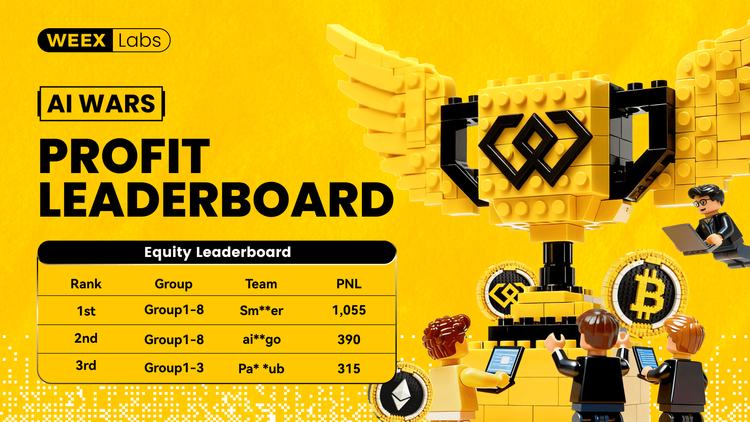
WEEX Labs has officially launched the preliminary round of its global AI trading hackathon, AI Wars: WEEX Alpha Awakens, bringing together hundreds of elite teams to compete in real-market conditions. With a record-breaking $1.88 million prize pool and backing from top-tier sponsors like AWS, the event has quickly become a global proving ground for AI-powered trading strategies. As competition intensifies and standout teams emerge on the leaderboard, the hackathon not only showcases cutting-edge AI execution and risk management, but also offers valuable insights and inspiration for traders looking to build or refine their own AI-driven systems.

WEEX P2P now supports Polish zloty (PLN)—new users and merchant rewards
To make crypto deposits easier, WEEX has officially launched its P2P trading platform and continues to expand fiat support. We're excited to announce that the Polish Zloty (PLN) is now available on WEEX P2P!

Layoffs of 30%, But Spending $250 Million to Buy a Company - What Is Polygon Thinking?

AI in the Crypto Market: How Artificial Intelligence is Changing Trading Strategies
This article explores how AI contributes to these movements and share practical strategies to help you navigate an AI-powered crypto market.

Cross-chain Collaboration: Tom Lee Invests $200 Million, Joins Forces with Global Top Streamer Mr. Beast

Fact Check: How Much Money Did the University of Chicago Lose in its Crypto Investment?

$200K Annual Salary Hiring, Predicting Market Will See Wall Street Players

Senate Committee Delays Crypto Bill Due to Coinbase’s Objections
Key Takeaways The Senate Banking Committee has postponed its planned markup of a major crypto market structure bill…

Eric Adams Denies “Rug Pull” Allegations Linked to NYC Token Despite Significant Losses
Key Takeaways: Eric Adams firmly denies allegations implying that money was moved out of the NYC Token. Market…

Transforming the Cryptocurrency Landscape: A 2026 Outlook
Key Takeaways Cryptocurrency systems have seen expansive growth and technological innovation. The introduction of new regulations has reshaped…

BonkFun Cuts Creator Fees to Zero: Are We Witnessing a New Era in Meme Coin Launchpad Wars?
Key Takeaways BonkFun has eliminated creator fees for its “BONK Classic” launches, with a reduced swap fee of…
Mantra Slashes Staff and Restructures Following ‘Brutal’ OM Token Collapse
Key Takeaways The OM token experienced a dramatic price collapse, prompting a significant restructure within Mantra, including job…

Senate Crypto Bill Hands Treasury “Patriot Act–Style” Surveillance Powers
Key Takeaways The Senate crypto bill proposes new sweeping surveillance powers for the U.S. Treasury, reminiscent of the…

Why Is Crypto Up Today? – January 14, 2026
Key Takeaways Cryptocurrency market capitalization has risen by 3.6% to $3.33 trillion, with 95 of the top 100…

Animoca Brands Acquires Somo to Advance Web3 Collectibles Strategy
Key Takeaways: Animoca Brands has acquired Somo, a gaming and collectibles studio, to fortify its position in the…

Current Landscape of Cryptocurrency Exchanges in 2026
Key Takeaways The cryptocurrency exchange market is notably competitive, with each platform offering unique strengths to attract users.…

An Insight into the Dynamics of Crypto Market Trends
Key Takeaways The article provides a comprehensive look at the latest developments in the cryptocurrency market. Insight is…
First Zero, First Revival: A Real Story from the WEEX Global AI Trading Hackathon Preliminary Round
WEEX Labs, the innovation arm of the global crypto exchange WEEX, launched the preliminary round of its flagship AI trading hackathon, AI Wars: WEEX Alpha Awakens, on January 12, 2026. Backed by world-class sponsors including AWS, the prize pool has reached $1.88 million, with a Bentley Bentayga S awaiting the champion in Dubai. Already, 788 elite teams worldwide are battling for a spot in the finals. This is more than a hackathon — it is a real-market stress test for AI trading. Registration remains open until January 18. If you want your AI to face real volatility, this is your moment.
AI Wars: WEEX Alpha Awakens – Insights, Top Strategies, and Real-Market Execution Takeaways
WEEX Labs has officially launched the preliminary round of its global AI trading hackathon, AI Wars: WEEX Alpha Awakens, bringing together hundreds of elite teams to compete in real-market conditions. With a record-breaking $1.88 million prize pool and backing from top-tier sponsors like AWS, the event has quickly become a global proving ground for AI-powered trading strategies. As competition intensifies and standout teams emerge on the leaderboard, the hackathon not only showcases cutting-edge AI execution and risk management, but also offers valuable insights and inspiration for traders looking to build or refine their own AI-driven systems.
WEEX P2P now supports Polish zloty (PLN)—new users and merchant rewards
To make crypto deposits easier, WEEX has officially launched its P2P trading platform and continues to expand fiat support. We're excited to announce that the Polish Zloty (PLN) is now available on WEEX P2P!
Layoffs of 30%, But Spending $250 Million to Buy a Company - What Is Polygon Thinking?
AI in the Crypto Market: How Artificial Intelligence is Changing Trading Strategies
This article explores how AI contributes to these movements and share practical strategies to help you navigate an AI-powered crypto market.


 App
App