
- Buy Crypto
- Markets
- Futures
- Spot
- Copy Trade
 Earn
Earn- More
CNBC Guest's Catchphrase Leads to $30 Trillion "Tariff Snafu," Becomes the Most Absurd 10 Minutes in Financial History

On April 7th, a piece of news stating that "Trump is Considering Suspending Tariffs on Some Countries for 90 Days" hit the financial markets like a bombshell. However, no one expected that this was once again a historic "fake news" story.
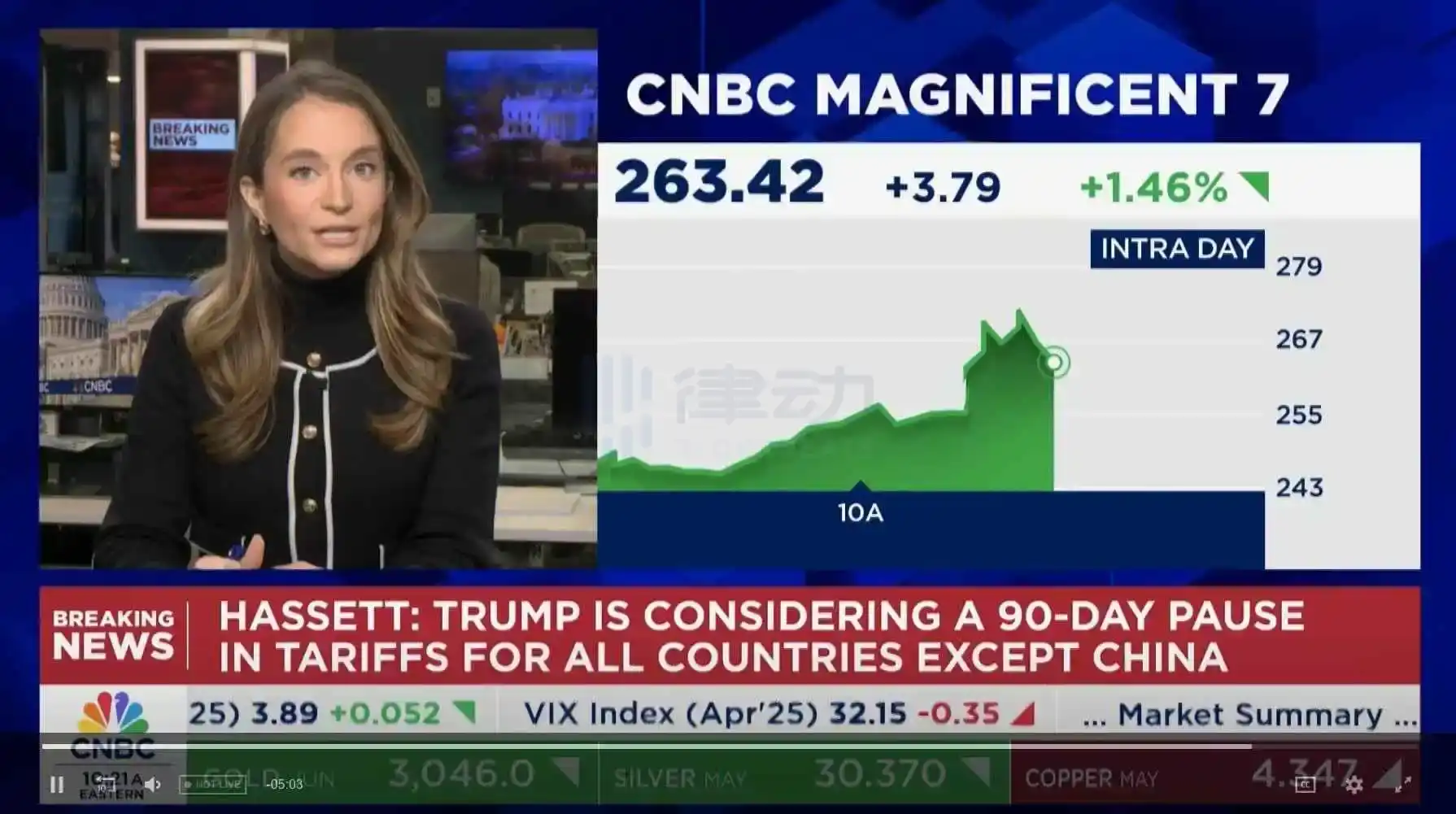
A Comedy of Errors Originating from a Simple "Yep"
On April 7th, when the U.S. stock market was experiencing a three-day slump, chaos ensued. At 10:10 a.m. Eastern Time, a rumor suddenly surfaced: the White House was considering a "90-day tariff suspension." As soon as this news came out, the market instantly became restless. Just 5 minutes later, at 10:15 a.m., CNBC reported that Trump was considering a 90-day tariff suspension for all countries except China. This explosive news fired up investors. By 10:18 a.m., the S&P 500 index soared from its low point, adding over $3 trillion in market value. The market seemed to smell the long-lost bull market sentiment, and investors speculated that this was a signal of a policy shift by Trump. At the same time, Bitcoin surged from $76,000 to $81,000 in just 10 minutes. The market sentiment was overwhelmingly bullish, leading to over $129 million in short contracts being liquidated in just one hour.
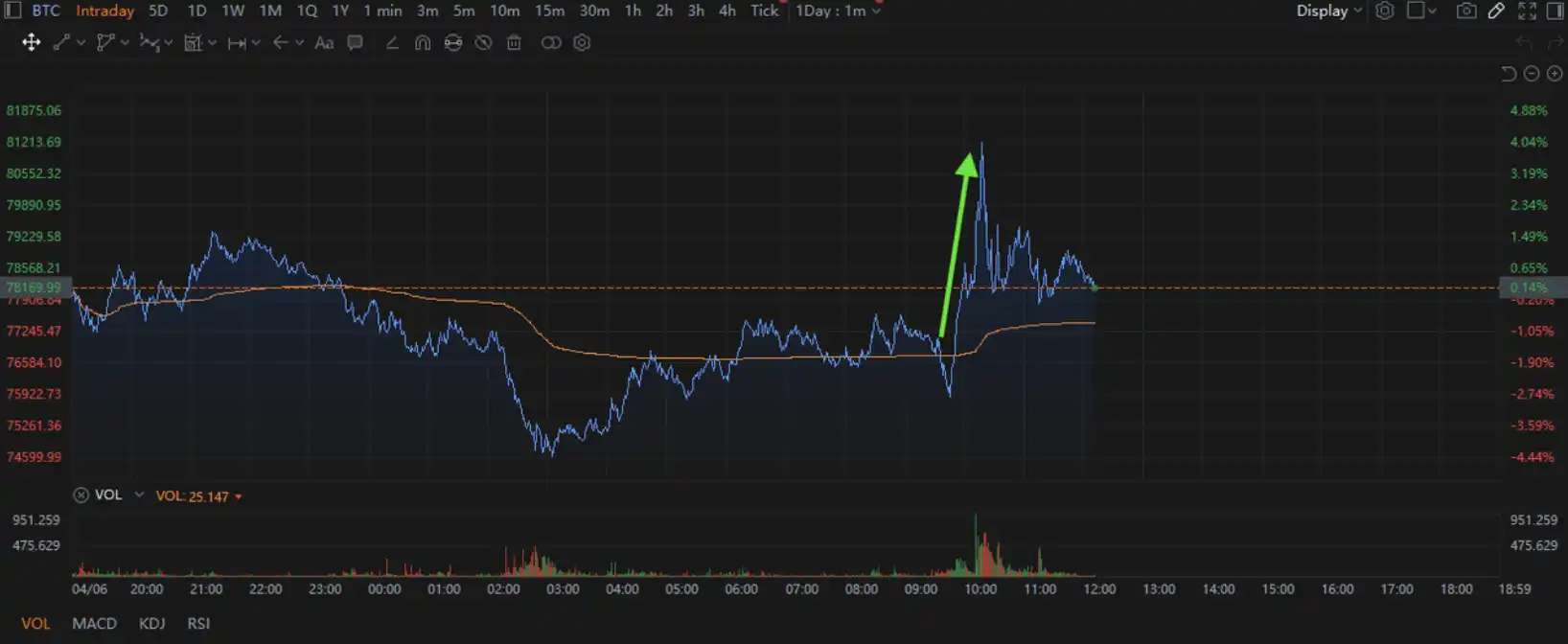
However, the plot twist came swiftly. At 10:25 a.m., reports emerged that the White House was "completely unaware" of the "Trump considering 90-day tariff suspension" matter. Shortly after, at 10:26 a.m., CNBC admitted that their earlier headline about the 90-day tariff suspension was erroneous. By 10:34 a.m., the White House officially labeled this rumor as "fake news." The market's mood plummeted like a rollercoaster in free fall. At 10:40 a.m., just 22 minutes after the soaring highs, the S&P 500 index rapidly fell back, evaporating $2.5 trillion in market value from its peak. The fervor faded away, leaving investors bewildered.
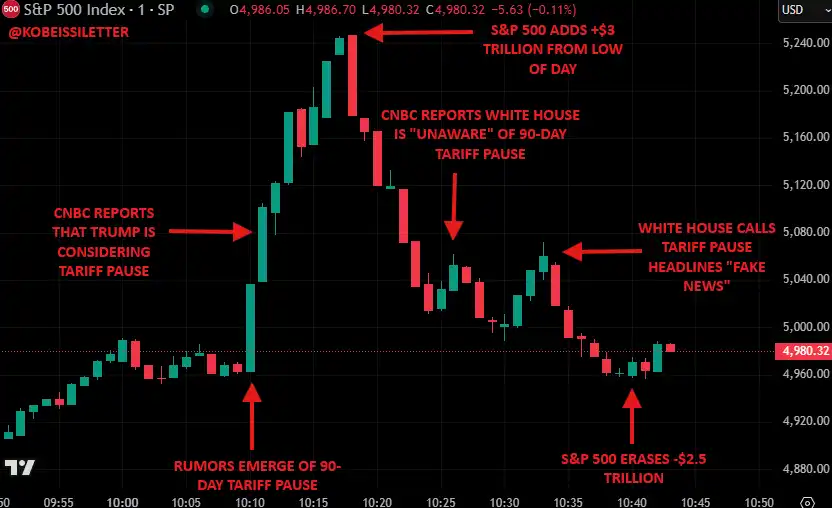
The source of this comedy of errors points to Hassett. Earlier in the day, during an interview with Fox News, host Jimmy D posed a crucial question to him: "Will Trump consider suspending tariffs for 90 days?" Hassett responded with a simple "Yep," followed by, "I think the President will make his decision... Even if you think there would be some negative impacts on the trade side, it's a very small fraction of GDP." This casual "Yep" acted as the spark. Financial blog Zerohedge analyzed that the market seemed to have misunderstood this as Hassett agreeing, when in reality, he was just acknowledging that he heard the question and did not confirm any policy.
Never before in history has such a dramatic scene unfolded: in just 30 minutes, fake news caused a trillion-dollar wave, only to quickly return everything to its original state.
Who Pays for the Tariffs
Since taking office, Trump has raised the banner of "America First," wielding the tariff stick against major trade partners such as China and the EU, attempting to protect domestic industries and reduce trade deficits. But can this "protective umbrella" really withstand the storm? The reality may not be so simple.
As the U.S. stock market opened on Monday, the market was already in turmoil. Trump's previous high tariffs against major trade partners had plunged the S&P 500 Index (SPY) into its first bear market since the COVID-19 pandemic. According to real-time data, the S&P 500 Index (SPY) opened at $489.19 on that day, but plummeted to an intraday low of $483.122. However, when the "tariff suspension" rumors spread, at 10:15 a.m., SPY soared to $512.155, dramatically increasing in value. Nevertheless, as the clarification emerged, by 10:45 a.m., SPY fell back to $504.19, with investors watching trillions of wealth evaporate before their eyes.
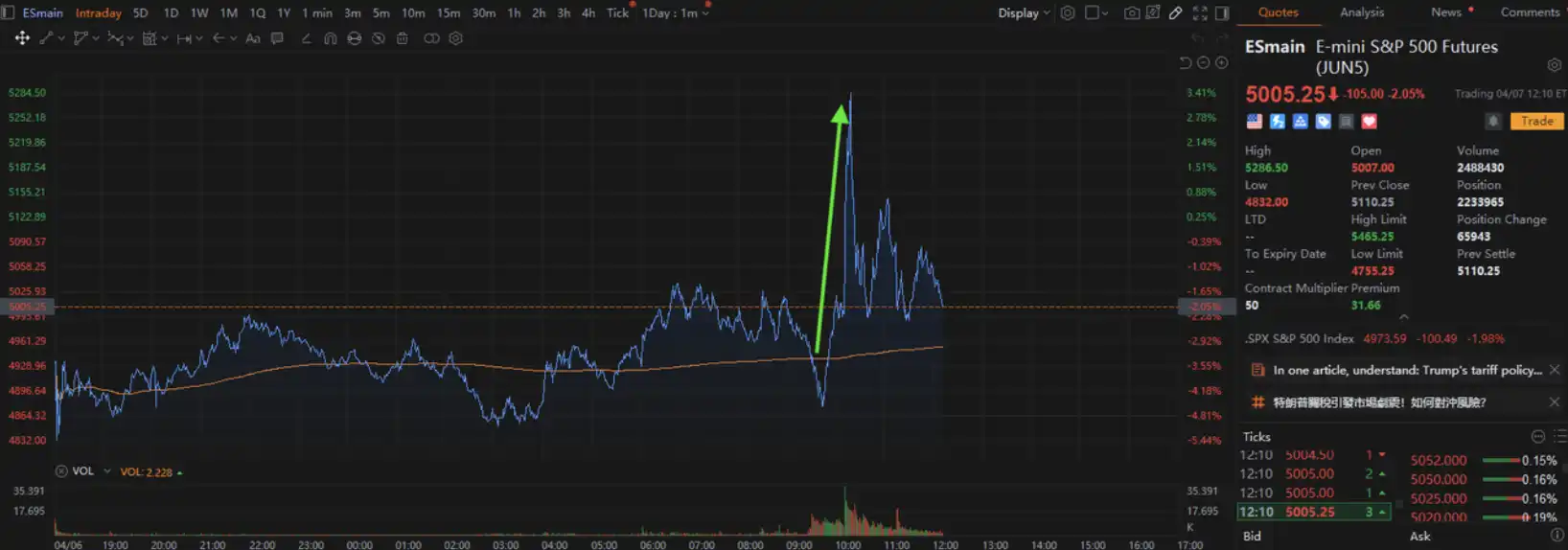
This blunder is not an isolated incident. Last week, after Trump announced the "most severe trade barrier of the century," the S&P 500 Index had already fallen by 20% from its historical high on February 19, with a market value evaporation of approximately $9.5 trillion. The speed of the decline ranks second among the 14 bear markets since 1945. The Wall Street panic index—the Chicago Board Options Exchange Volatility Index (VIX)—closed at 45 last Friday, then overnight on Monday surged to 60, far exceeding the long-term average of 20, indicating that market panic has reached its peak.
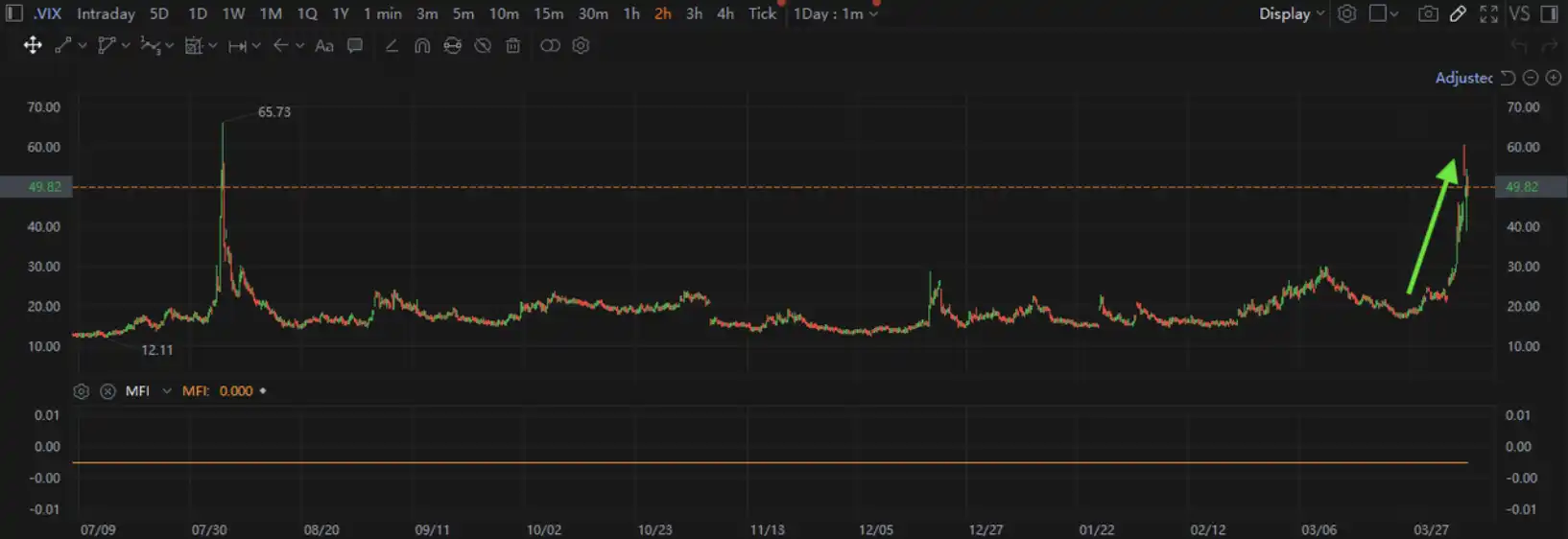
The real shadow has long been cast over the market. CFRA data shows that the S&P 500 Index plummeted 3.5% at the Monday opening, officially entering a bear market. Tech stocks were hit hard, with chip giant NVIDIA (NVDA) dropping 32% from its yearly high, Tesla (TSLA) falling by about 35%, Palantir (PLTR) experiencing an even more tragic drop, and other tech companies such as Super Micro Computer (SMCI), ON Semiconductor (ON), and Micron Technology (MU) all falling by over 37%. The travel industry is equally devastated, with stock prices of Delta Air Lines (DAL) and Norwegian Cruise Line Holdings (NCLH) plummeting over 40%.
While this fake news was a false alarm, it prompted people to reconsider the devastating impact of Trump's tariff policy. High tariffs have caused imported goods' costs to soar, with American consumers bearing the brunt. For example, a Chinese-made smartphone could see its price rise from $1000 to $1250 due to a 25% tariff. Businesses are also feeling the heat, with Tesla (TSLA) relying on a global supply chain; increased tariffs could raise production costs and put pressure on stock prices. Chip giants like NVIDIA (NVDA) are facing price hikes on imported components, squeezing profit margins.
At the international level, tariffs have triggered retaliatory actions. China and the EU might impose tariffs on American soybeans and aircraft, further hurting the export industry. Global supply chain disruptions, plummeting oil prices, and commodities prices have thrown the market into chaos. Doug Ramsey, Chief Investment Officer at Leuthold Group, warned, "This downturn could be the start of a new cyclical bear market."
Although this market turmoil sparked by a fake subtitle was short-lived, it acted as a mirror reflecting the far-reaching implications of tariff policies. While the White House's clarification dispelled the rumors, it did not soothe the market's unease. The future moves of Trump will require close attention.
You may also like

All-In Podcast Deep Dive: What Money-Making Opportunities Did the Four Silicon Valley Billionaires See in 2026?

Trump Reignites Tariff Storm, Cryptocurrency Market Faces Another 'Black Monday'

Key Market Information Discrepancy on January 19th - A Must-Read! | Alpha Morning Report

Predicting the market does not predict the truth; it simply rewards those who guess right

Delphi Digital's Top 10 Predictions for 2026: Perp DEX Eats Wall Street, AI Agents Usher in Era of Autonomous Trading

X Pulls the Plug — the Era of “Talking Your Way to Traffic” Comes to an End.
Other people’s traffic will always belong to them—not to you.

First Zero, First Revival: A Real Story from the WEEX Global AI Trading Hackathon Preliminary Round
WEEX Labs, the innovation arm of the global crypto exchange WEEX, launched the preliminary round of its flagship AI trading hackathon, AI Wars: WEEX Alpha Awakens, on January 12, 2026. Backed by world-class sponsors including AWS, the prize pool has reached $1.88 million, with a Bentley Bentayga S awaiting the champion in Dubai. Already, 788 elite teams worldwide are battling for a spot in the finals. This is more than a hackathon — it is a real-market stress test for AI trading. Registration remains open until January 18. If you want your AI to face real volatility, this is your moment.
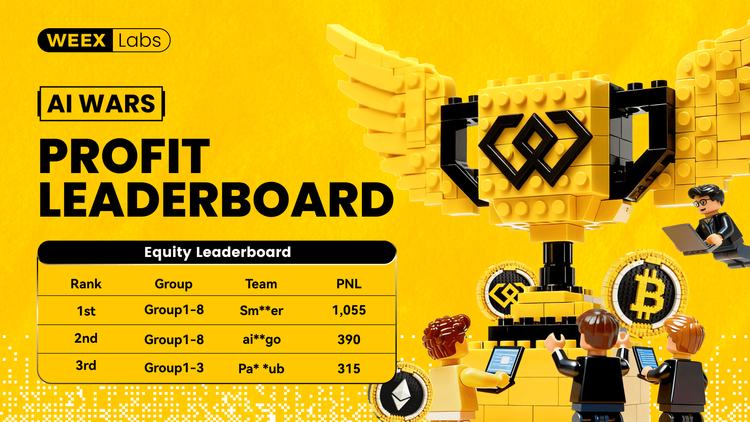
AI Wars: WEEX Alpha Awakens – Insights, Top Strategies, and Real-Market Execution Takeaways
WEEX Labs has officially launched the preliminary round of its global AI trading hackathon, AI Wars: WEEX Alpha Awakens, bringing together hundreds of elite teams to compete in real-market conditions. With a record-breaking $1.88 million prize pool and backing from top-tier sponsors like AWS, the event has quickly become a global proving ground for AI-powered trading strategies. As competition intensifies and standout teams emerge on the leaderboard, the hackathon not only showcases cutting-edge AI execution and risk management, but also offers valuable insights and inspiration for traders looking to build or refine their own AI-driven systems.
WEEX P2P now supports Polish zloty (PLN)—new users and merchant rewards
To make crypto deposits easier, WEEX has officially launched its P2P trading platform and continues to expand fiat support. We're excited to announce that the Polish Zloty (PLN) is now available on WEEX P2P!

Layoffs of 30%, But Spending $250 Million to Buy a Company - What Is Polygon Thinking?

Sentient Reveals Tokenomics, How Will the Market Price It?

AI in the Crypto Market: How Artificial Intelligence is Changing Trading Strategies
This article explores how AI contributes to these movements and share practical strategies to help you navigate an AI-powered crypto market.
Yen Weakness Nears Inflation Red Line: Bank of Japan May Be Forced to Hike Early

Cross-chain Collaboration: Tom Lee Invests $200 Million, Joins Forces with Global Top Streamer Mr. Beast

Interactive Brokers Integrates USDC, US Bank Questions Stablecoin, What's the Overseas Buzz?

Trump Waves Hand, Stirs Venezuela's Game Hurricane
The Genius Stopping Law: Why Did Coinbase Backpedal at the Eleventh Hour?

Fact Check: How Much Money Did the University of Chicago Lose in its Crypto Investment?
All-In Podcast Deep Dive: What Money-Making Opportunities Did the Four Silicon Valley Billionaires See in 2026?
Trump Reignites Tariff Storm, Cryptocurrency Market Faces Another 'Black Monday'
Key Market Information Discrepancy on January 19th - A Must-Read! | Alpha Morning Report
Predicting the market does not predict the truth; it simply rewards those who guess right
Delphi Digital's Top 10 Predictions for 2026: Perp DEX Eats Wall Street, AI Agents Usher in Era of Autonomous Trading
X Pulls the Plug — the Era of “Talking Your Way to Traffic” Comes to an End.
Other people’s traffic will always belong to them—not to you.


 App
App